Learn how tree surgery keeps gardens safe and healthy. Expert treatments improve tree stability, prevent damage, and enhance your outdoor environment.
Trees can add beauty, shade, privacy, and character to any garden, but they also need the right care to stay safe and healthy. Without regular attention, branches can become weak, trees can grow too close to buildings, and hidden problems can become harder to manage. This article looks at how tree surgery helps protect your garden and creates a safer outdoor space.
Why Tree Safety Matters in Your Garden
Tree safety matters because trees can affect the safety, appearance, and long-term condition of your outdoor space. A healthy tree can give you shade, privacy, shelter, and natural beauty, but a damaged or unstable tree can become a serious risk if it's not checked or managed properly.
Over time, trees can become weak due to age, disease, storm damage, poor growth, or hidden decay. The branches may start to crack, the roots may become loose, and the trunk may end up leaning to one side. More importantly, unsafe trees can put both you and your pets at risk, especially during high winds or heavy rain. By looking after your trees, you can keep your garden space safer, tidier, and more enjoyable.
Removing Dead or Dangerous Branches
Over time, branches can become weak due to age, disease, pests, strong winds, or poor growth, and although damaged branches may not always fall right away, they can still become a serious risk during bad weather.
Dead branches are often dry, brittle, and more likely to snap without warning. They might hang over your paths, patios, driveways, sheds, greenhouses, fences, or neighbouring gardens, and if they fall, they can damage your property, block your access, or injure either you, your pets or children.
By removing these branches safely, a tree surgeon reduces these risks and makes your garden safer. Professional tree surgeons can also spot hidden damage or potentially damaged branches. They can identify the signs of decay, splitting, poor attachment, or disease, which means that any problems can be dealt with early on.

Helping Trees Grow in a Healthy Way
When a tree is left to grow without any care, the branches can rub together, grow in the wrong direction, or block light and air from reaching the rest of the tree. Over time, this can make the tree weaker and more likely to suffer from decay or breakage.
Pruning the tree can help you shape it and help it grow stronger, and removing damaged branches can help the tree put more energy into growing healthy limbs, leaves, and roots. This can improve the tree's structure and give it the ability to cope with wind, rain, and changing weather conditions better.
Tree surgery helps your trees grow in a controlled and healthy way, while keeping them suitable for your surroundings throughout the year.
Preventing Damage to Fences, Roofs, and Paths
Trees can often grow close to your home, shed, wall, driveway or boundaries, and if they're not managed carefully, the branches can scrape against your roof tiles, gutter, windows, and fences, or they can put pressure on them, making parts of your garden harder and more unsafe to use. In some cases, falling branches can also break your fence panels, crack your paving, damage your shed, or block your access routes.
The tree's roots can also become a concern if they lift up your paths, disturb the paving, or grow too close to your garden structures. Tree surgery helps reduce these risks via careful pruning, crown reduction, branch removal, and general tree care services. By cutting back any unsafe or poor growth, a tree surgeon can lower the risk of damage occurring during storms.
Reducing the Risk of Falling Branches
Branches can become weak due to age, storm damage, disease, poor growth, or hidden decay, and although they may look secure from the ground, they can still break during strong winds, heavy rain, or even under their own weight. Falling branches can cause serious problems; they can damage your sheds, fences, greenhouses, patios, paths, cars, and roofs.
A branch doesn't need to be large to cause an injury or block a safe walking route. Tree surgeons reduce this risk by removing dead, split, hanging, or poorly attached branches before they fall, and a well-trained tree surgeon can also spot signs of cracks, weak joints, disease, or branches that are carrying too much weight.
Improving Light and Space in the Garden
Tree surgery can help improve the light and space in your garden by managing trees that have become too large, dense, or overgrown. As trees grow, their branches and leaves can block sunlight from reaching your lawn, flower beds, patios, windows, and seating areas, which can make your garden feel darker, colder, and less welcoming.
By pruning, thinning, and lifting the tree, tree surgeons can let more natural light pass through the tree and into your garden, which can help your grass, plants, and shrubs grow better. Low branches can also make it harder for you to walk through the garden, use your outdoor furniture, or maintain your borders or lawn. By removing or reducing these branches, the garden can feel more open, lighter and more attractive.
Spotting Signs of Disease or Decay
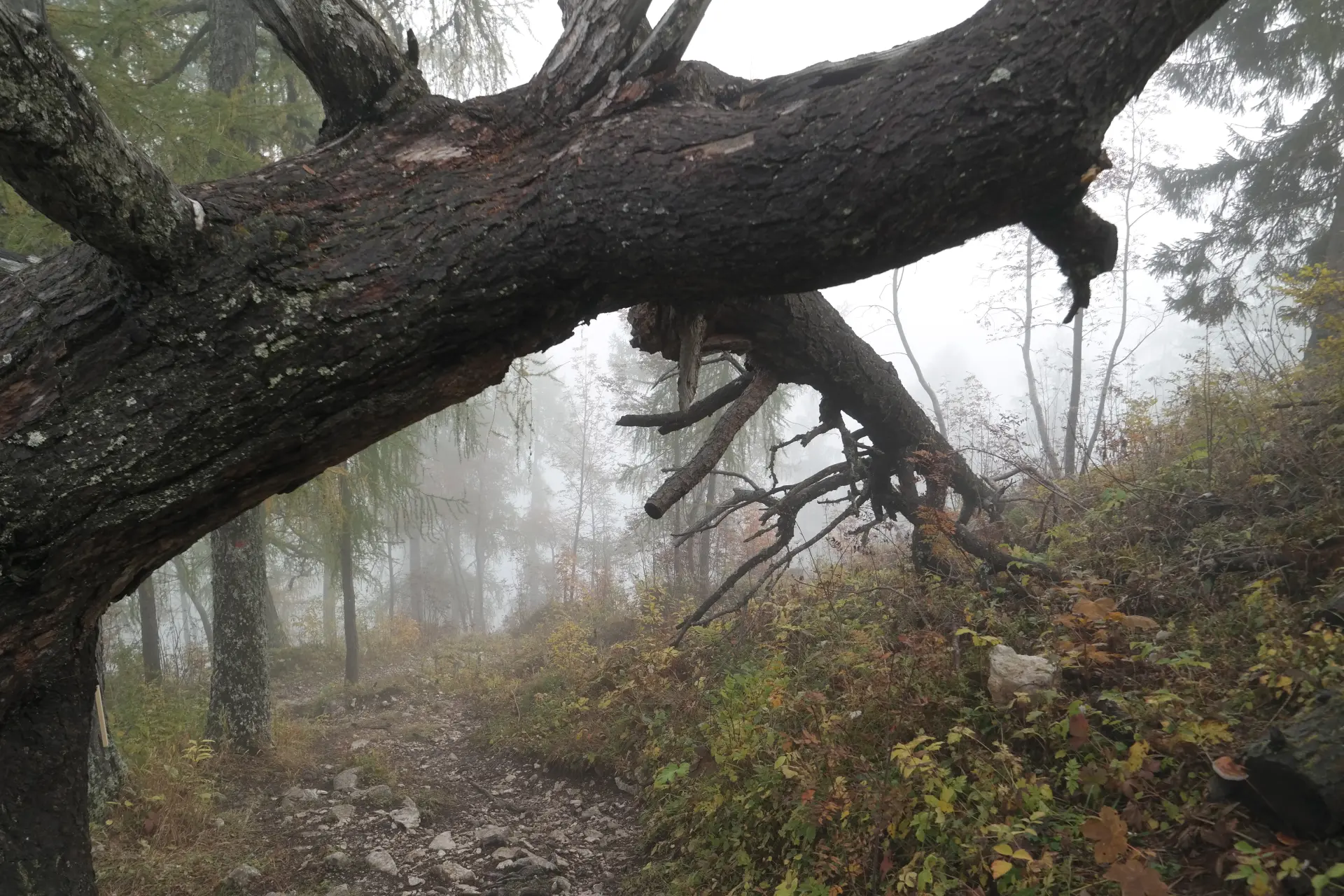
Many tree problems aren't always easy to spot, especially if they're hidden in the trunk, roots, or high branches. A tree can look healthy from a distance, but it may have weak limbs, fungal growth, cracks, dead wood, or areas of decay that affect its strength.
When disease or decay is found early on, there's often more that can be done to protect the rest of the tree and the garden around it. A tree surgeon can remove the affected branches, improve the shape of the tree, and advise you on the safest way to manage the problem. In some cases, careful treatments and pruning can help stop the disease from spreading to other parts of the tree or nearby plants.
When Tree Removal May Be Needed
A tree removal service may be needed when your tree has become too unsafe to keep in the garden. While many trees can be improved through pruning or other tree surgery work, some are too damaged, diseased, or unstable to save. Removing the tree can help protect you, your pets, your property, and your garden spaces from serious damage.
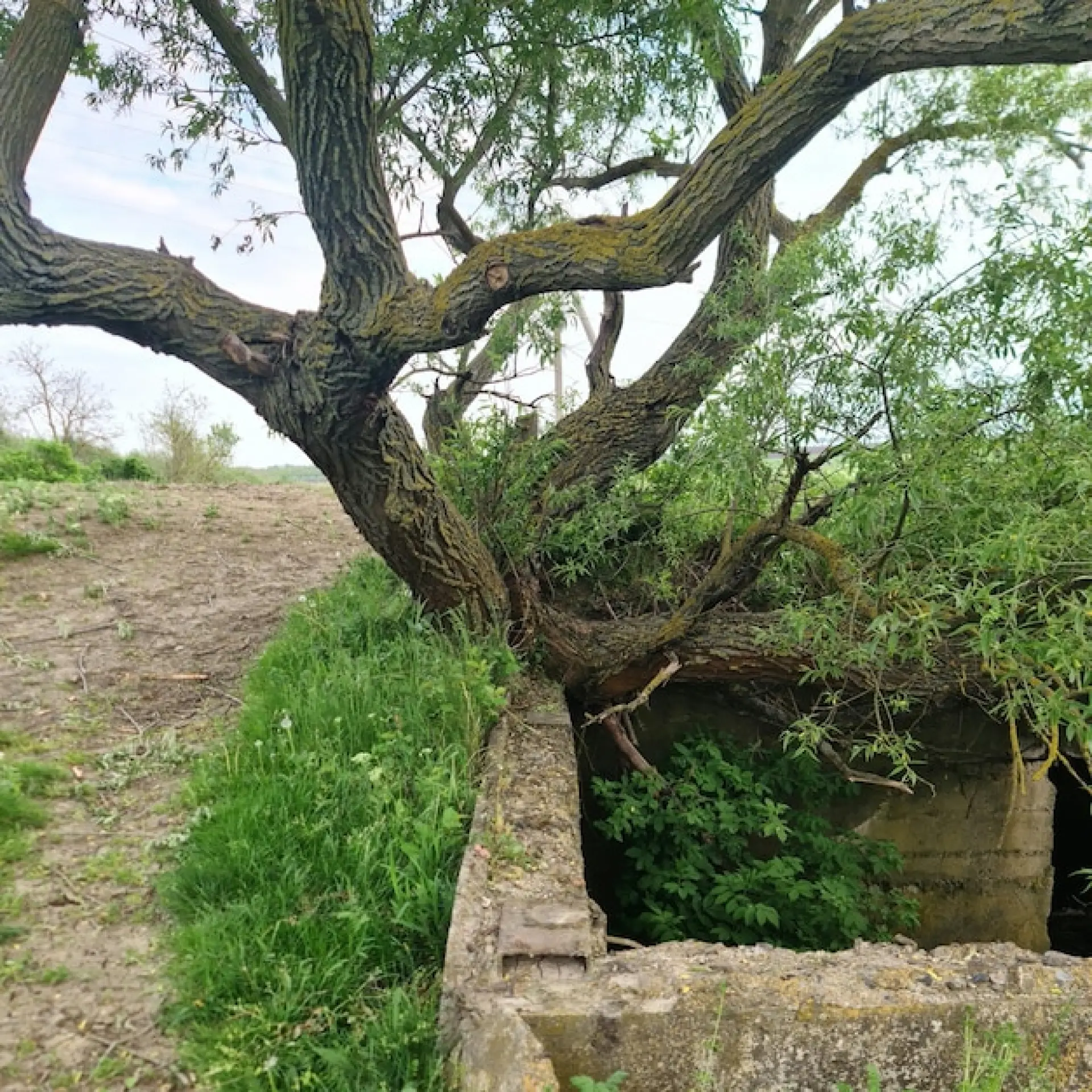
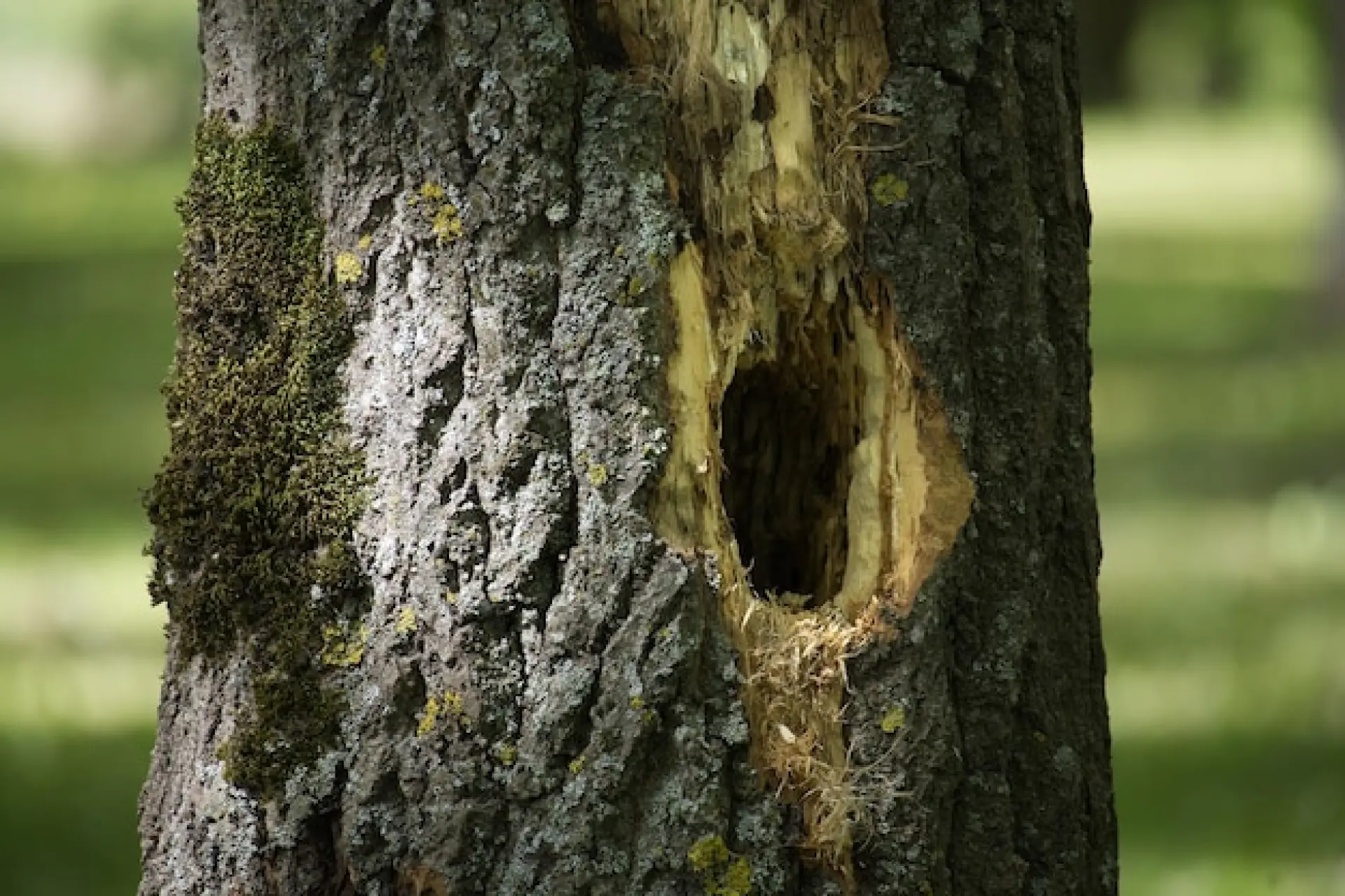
One clear sign that your tree needs removing is if it's leaning more to one side than usual, especially if the ground around the roots has lifted up or appears cracked. These signs are clear indicators that the tree is no longer stable. Large cracks in the trunk, deep splits, hollow areas, or soft, rotten wood can also show that the tree has lost its strength, and fungal growth around the base of the tree is another warning sign.
Removing an unsafe tree can make your garden safer by reducing the risk of falling branches, root damage, blocked access, and sudden collapses during bad weather.
How Regular Tree Care Protects Nearby Plants
When trees are left to grow on their own, their branches can become dense and block sunlight from reaching your lawn, flowers, shrubs, and borders. This can make any nearby plants weaker, patchy, or less likely to grow well. Tree surgery can improve your garden's light and airflow by thinning crowded branches and removing any growth that's causing too much shade. This gives other plants a better chance to receive sunlight and fresh air, and it also helps reduce any damp areas beneath the tree, which can lower the risk of moss, mould, and poor soil conditions.
Why Professional Tree Work Is Safer Than DIY
Professional tree work is safer than DIY because trees can be heavy, unpredictable, and difficult to manage without the right training. Cutting branches may look simple, but even a small mistake can cause a branch to fall the wrong way, damage your property, or injure someone. Large branches can be much heavier than they appear, especially when they're high up or under pressure.
Tree surgeons understand how trees grow, how their weight is carried through the branches, and how to remove sections of the tree safely. They know how to spot weak limbs, hidden decay, cracks, and other risks before any work begins, and this helps them plan the safest way to prune, reduce, or remove parts of the tree without causing damage.
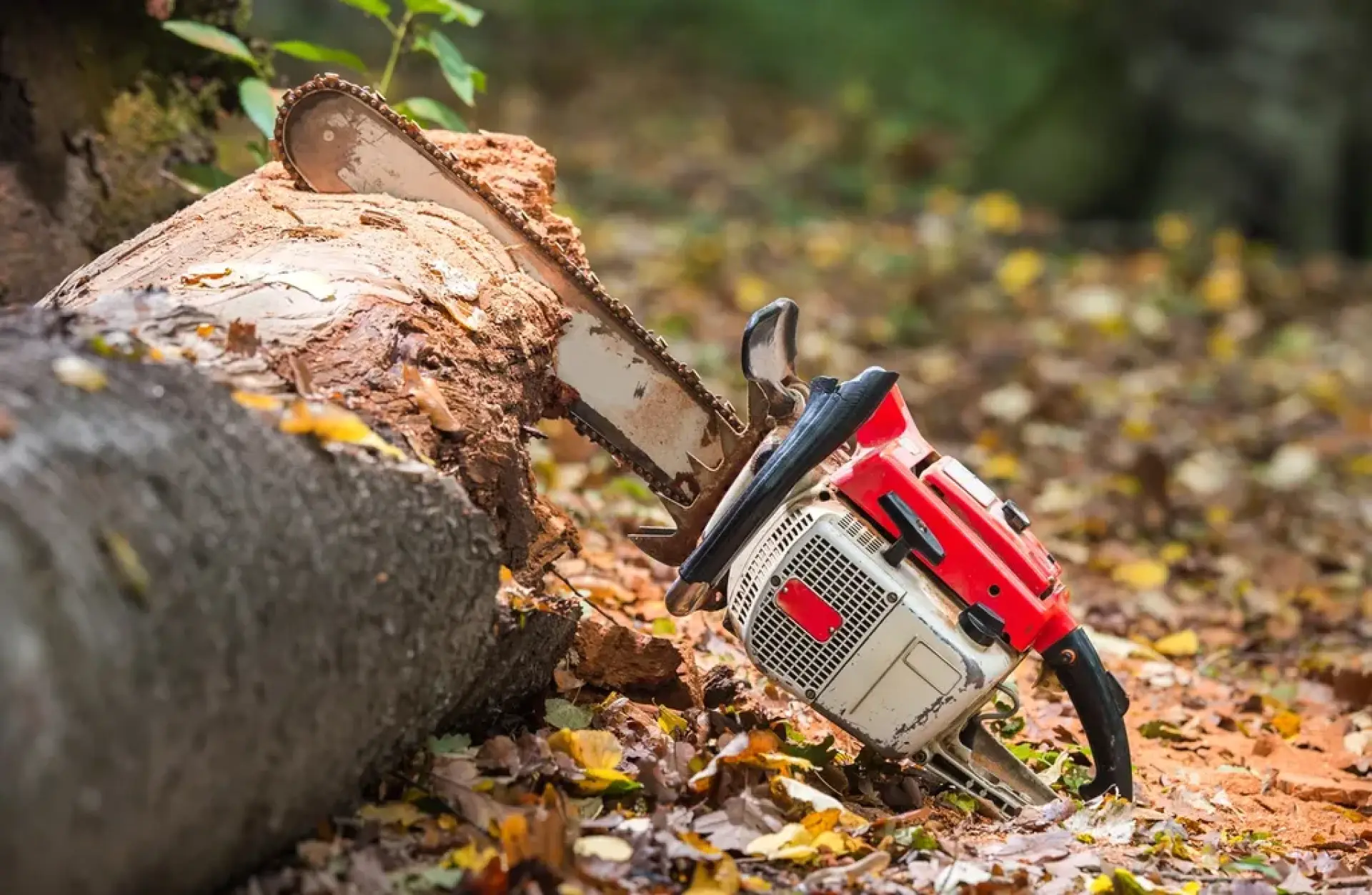
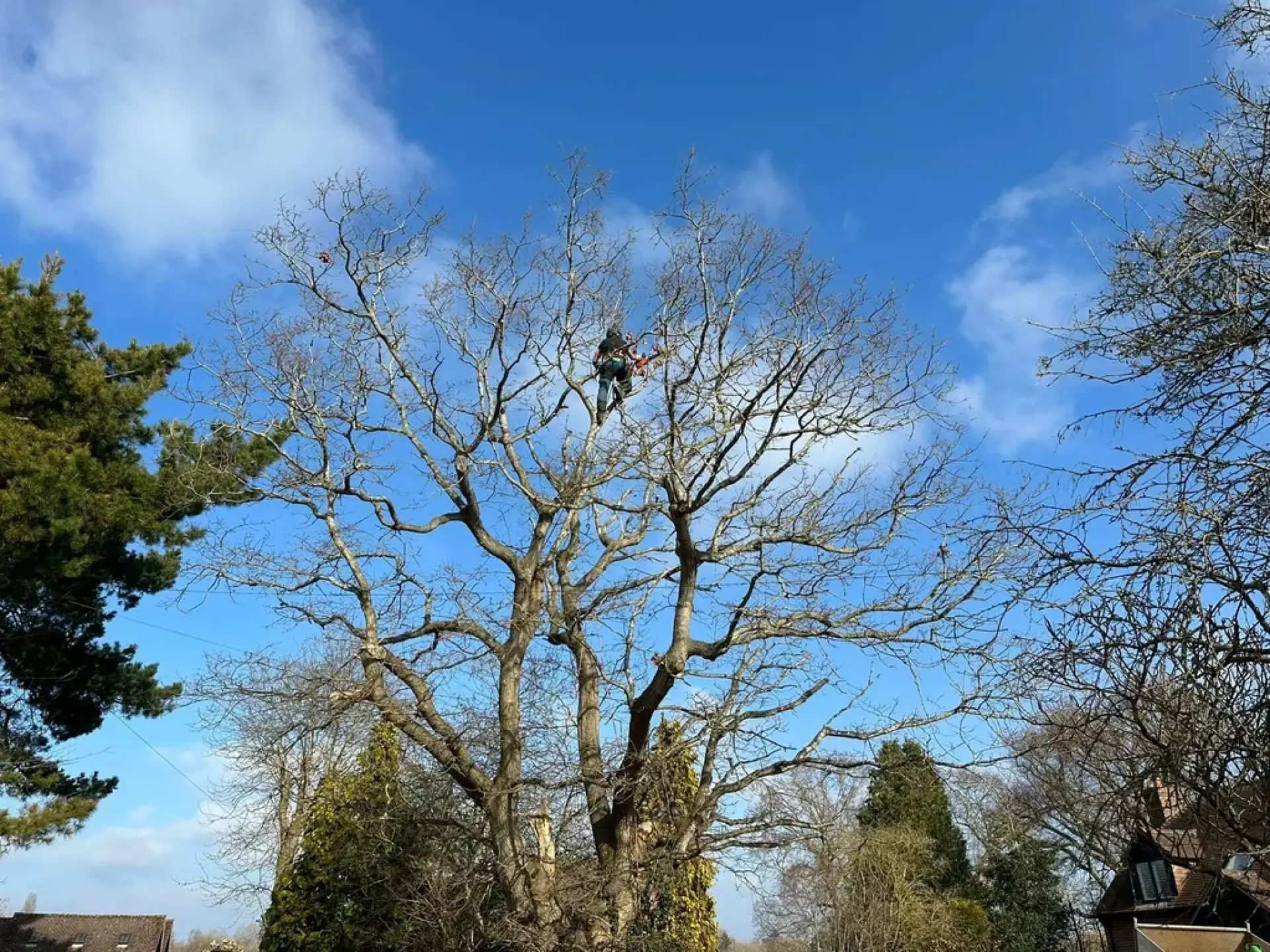
Professional tree surgeons also use the correct tools and safety equipment, including ropes, harnesses, helmets, climbing equipment, chainsaws, and controlled lowering methods. Using these tools without the proper knowledge can be very dangerous, and working at height also has its risks, too, especially if you're near a roof or overhead lines.
When to Book a Tree Surgery Visit
Booking a tree surgery service is a good idea when your trees start to show signs of damage, poor growth, or safety problems. One of the clearest signs you need to call a tree surgeon is after strong winds, heavy rain, or storms. This is because bad weather can weaken branches, split limbs, or loosen the tree roots.
You should also book a visit if you notice any dead branches, cracks in the trunk, fungal growth, leaning, hanging limbs, or branches growing too close to your roof, fences, paths, or overhead lines. These issues can become more dangerous the longer they're left, especially during wet and windy weather.
A tree surgery visit can also be useful when your tree has become too large, dense, or shaded. Pruning and crown work can help improve the tree's light, space, and airflow, and a tree surgeon can spot early warning signs of disease, decay, or poor growth.
Keeping Your Garden Safe After Storms
Strong winds, heavy rain, and falling debris can weaken a tree's branches, split the limbs, loosen the roots, or leave the tree unstable. Even if a tree still looks upright, it may have hidden damage that could become dangerous over time. After a storm, broken or hanging branches can fall without warning and damage your fences, shed, car, or roof.
A tree surgeon can safely remove damaged branches, reduce heavy growth, and check whether the tree is still strong enough to remain in place. Storms can also cause trees to lean to one side, as well as lift the soil and expose the roots around the base. These are all warning signs that the tree needs urgent attention. By dealing with problems early on, tree surgeons can prevent further damage and keep your tree strong, safe and healthy.
Long-Term Benefits of Healthy Trees
When trees are properly cared for, they can improve the look, comfort, and safety of your entire garden. One of the main benefits of healthy trees is the shade they provide. During warm weather, healthy trees can create shaded areas for sitting, playing, or relaxing. Healthy trees also support other parts of the garden, too. They can provide shelter for birds and insects, improve the setting for your plants, and help create a more natural outdoor area. Strong, well-managed trees are also less likely to drop branches, lean, or cause damage.
Choosing the Right Tree Surgeon for Your Garden
Tree work can involve heavy branches, sharp tools, climbing, and working near fences, roofs, sheds, paths, or overhead lines. A skilled tree surgeon knows how to manage these risks and complete the work in a safe and controlled way. The right tree surgeon can also give you clear advice on what care and maintenance your tree needs.
A good tree surgeon will also understand how to shape your tree without causing harm. Poor cuts can weaken a tree, leave it open to disease, or make it unsafe. A professional can help your tree stay strong, balanced, and well-suited to the space around it.
At Redrock Tree Care, we help keep gardens across Basingstoke safe, tidy, and healthy through our expert services, including pruning, removal, reduction, and general tree care. With the right skills and equipment, we can manage unsafe branches, improve your light and space, and support the long-term health of your trees.