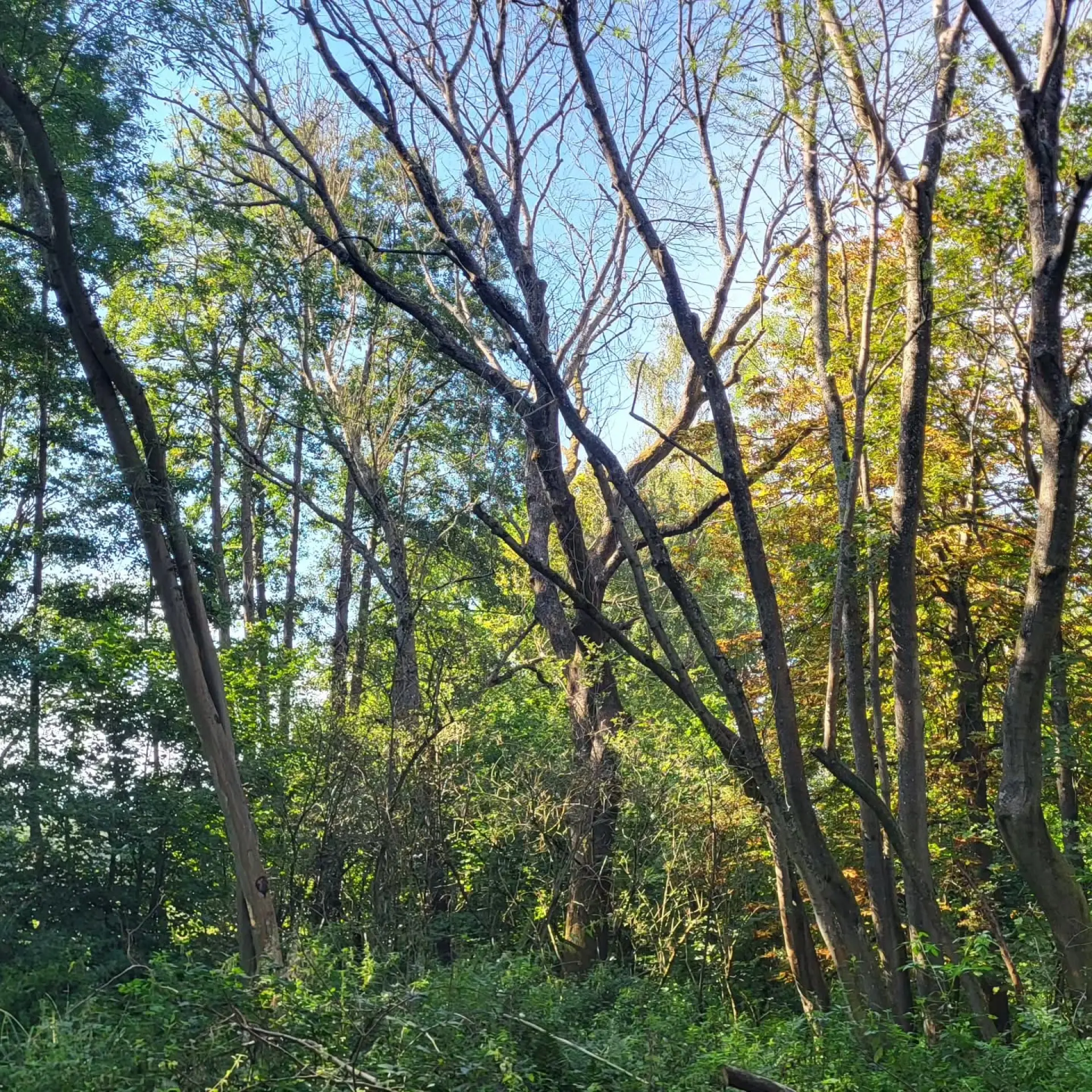
Concerned about your tree’s safety? There are several warning signs that a tree may be unsafe. Some are easy to notice in the garden, while others are hidden inside the trunk or below the ground. Spotting a problem early can protect people, homes, and property, and it can also save a healthy tree with the right tree care.
Cracks or Splits in the Trunk
The trunk is the main part of the tree, and it supports the tree's weight and moves water and nutrients. When cracks in the trunk appear, it can mean the tree has become weaker and more dangerous.
Splits and cracks often happen after storms, high winds, quick changes in temperature, or poor pruning. Vertical splits can weaken a tree so much that wind, snow, or heavy foliage can cause it to fall. Horizontal cracks can be a sign of severe internal decay or old damage deep inside the trunk.
One of the most worrying cracks is a split where two main stems grow close together. This weak join can open over time, especially in storms. If you notice a fresh split, widening cracks, or wood pulling apart, it is a clear warning sign that the tree needs attention.
Not every crack means a tree will fall today, but cracks do increase risk. If the tree is large, close to a home, or over a path where people walk, it is wise to get advice from a professional tree surgeon.
Damaged or Exposed Roots

Tree roots anchor the tree into the ground. They also take in water and nutrients, so root damage can affect both stability and tree health. When roots are cut, crushed, or left exposed, the tree may become unsafe over time.
Exposed roots often happen when soil washes away, the ground level changes, or the soil around the tree is worn down by foot traffic. Without soil cover, roots can dry out, decay, and become easier for pests and disease to attack. This can lead to long term problems, including a tree falling during storms.
Watch for signs around the base of the tree. Fresh lifting soil, gaps in the ground, or roots that look snapped can mean the tree has started to shift. If you notice the tree is leaning more than it used to, or the ground looks cracked on one side, that can mean the roots are failing and the risk is increasing.
Fungal Growth at the Base
Mushrooms can look harmless, but fungi around the base of a tree can be a sign of decay. Fungi feed on dead wood, and their presence can mean the roots or lower trunk are rotting under the bark.
Bracket fungi, which can look like shelves on the trunk, are often linked with internal decay. The tree may still have green leaves and look healthy, but the inside can be weak. This is why fungal growth is an important sign, even if the rest of the tree looks fine.
If you find mushrooms near the trunk, especially in a ring around the base, treat it as a warning sign. A professional tree assessment can help you understand whether the tree needs tree surgery, support, or removal.
Hollow or Soft Areas in the Trunk
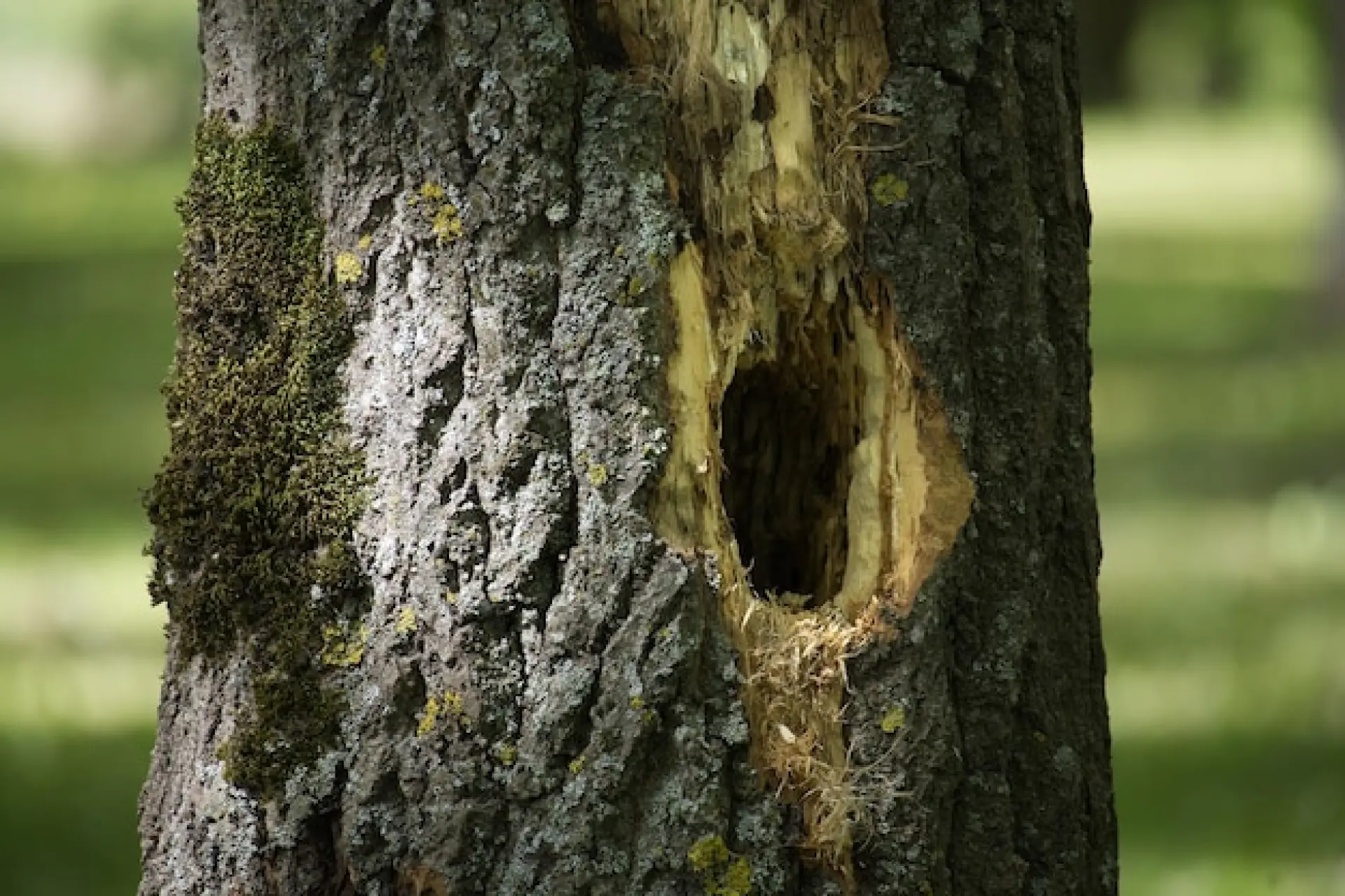
Hollow sections and soft spots can mean the tree has lost strong wood inside the trunk. A tree can sometimes keep growing with a cavity, but the risk depends on how much solid wood is left and where the hollow sits. Internal decay often starts where the bark was damaged, such as an old cut branch, a wound from equipment, or storm damage.
Over time, the decay spreads and creates cavities. If you press the trunk and it feels soft or brittle, the wood fibres may be breaking down. A hollow trunk does not always mean the tree is unsafe, but it does mean the tree needs checking.
Tree surgeons can assess the strength of the trunk and the size of the cavity. In some cases, tree preservation is possible, but safety must come first.
Dead Branches and Brittle Wood in the Crown
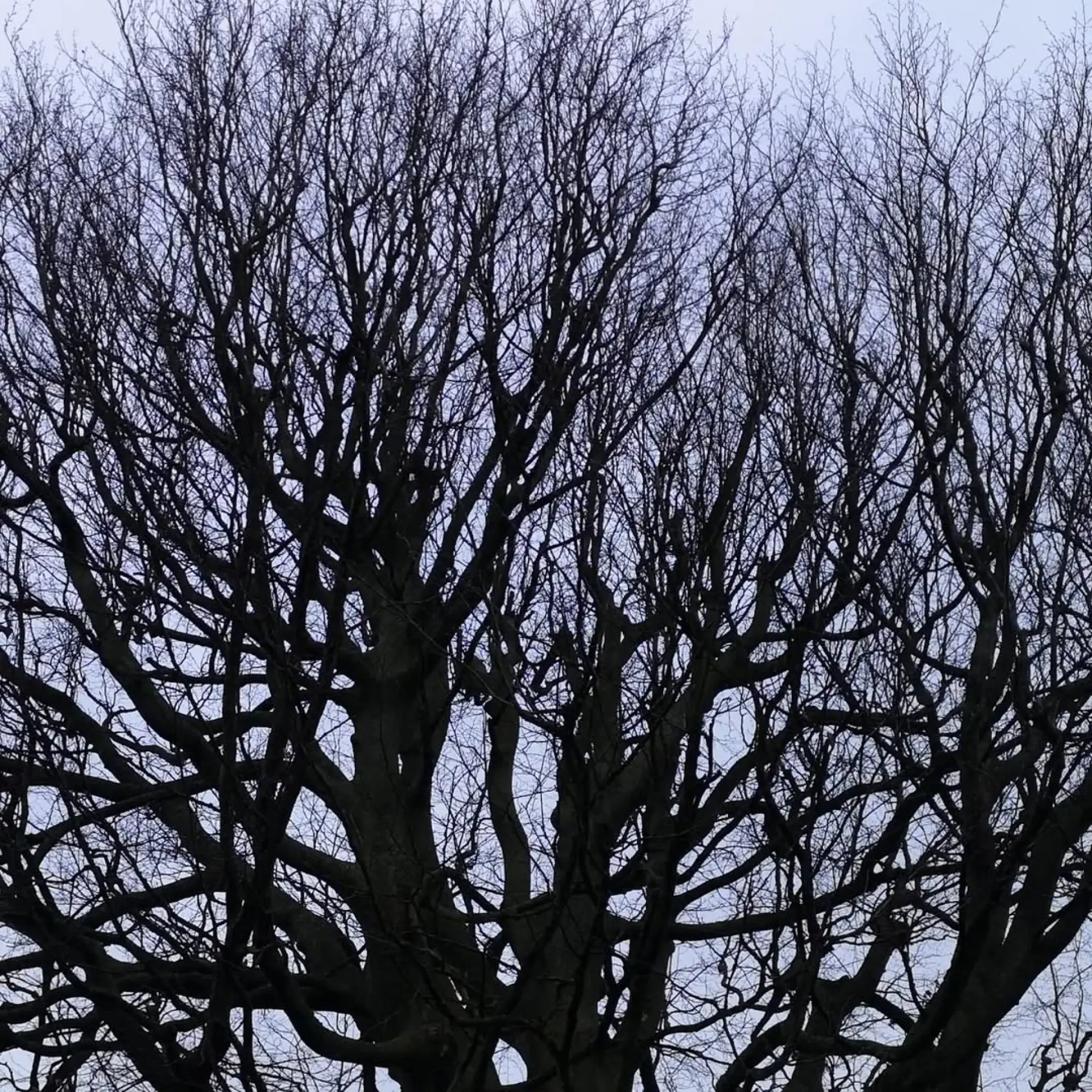
Dead branches are one of the most common signs a dangerous tree is developing. A dead or dying branch can snap without much warning, especially in high winds. This can cause injury, damage cars, fences, sheds, and nearby property, and it can be a serious risk if the tree hangs over paths or play areas.
You may notice dead branches because they have no leaves when the rest of the tree has foliage. Some dead wood looks dry and brittle, and smaller twigs may break easily when touched. It is also a concern if the tree has many dead branches in one area, as that can point to disease, pests, or root damage.
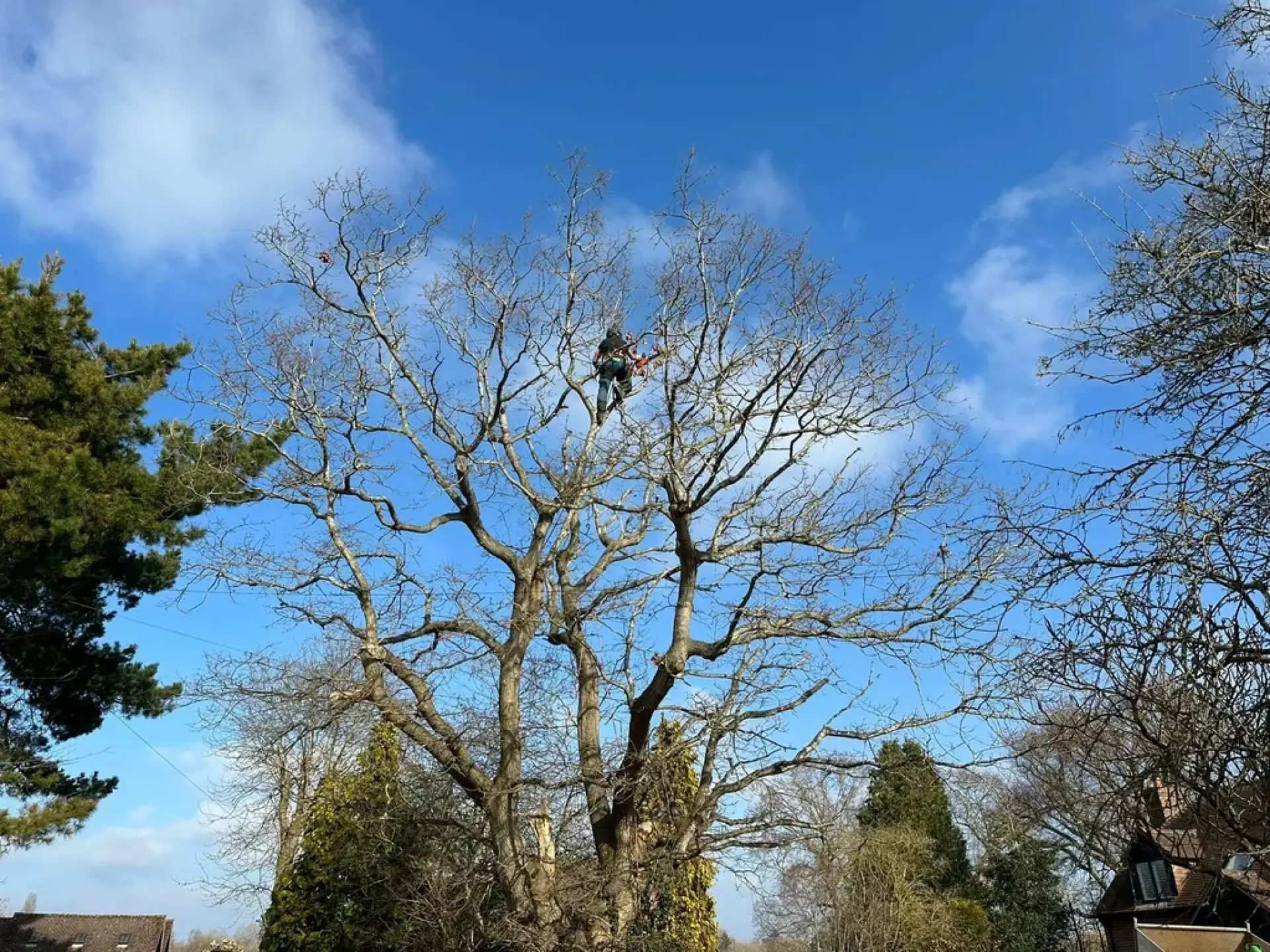
If the tree needs pruning to remove dead wood, it is safest to contact a tree surgeon rather than trying to cut large branches yourself. Falling limbs can be unpredictable, and working at height adds extra risk.
A Tree That Starts to Lean
A lean is not always new or dangerous. Some trees grow at an angle for years and stay stable. The key is whether the tree is leaning more over time, or if the lean appeared after storms or ground changes.
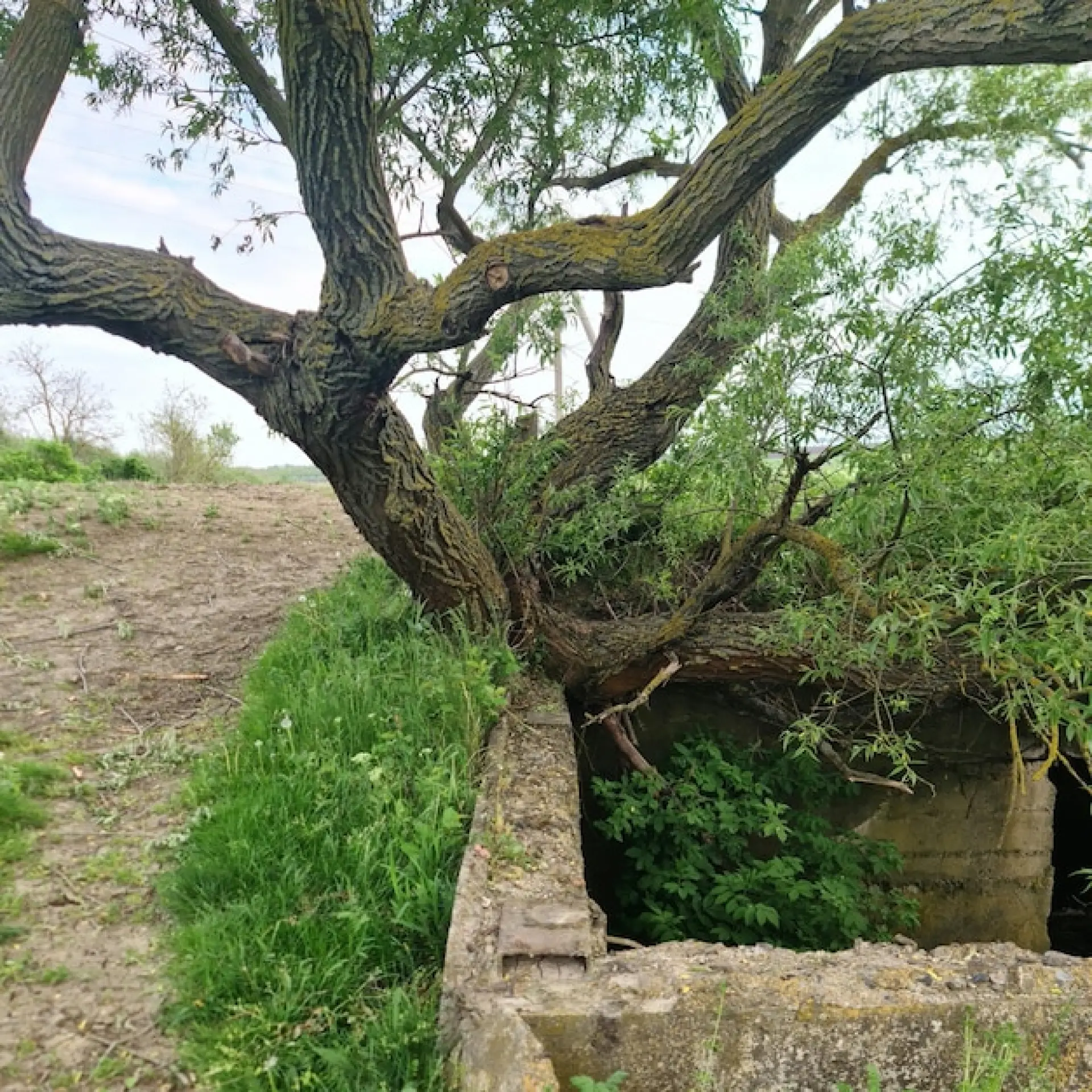
If a tree suddenly leans, look at the ground near the base. Raised soil, fresh cracks, or a dip where roots may have pulled away can mean the tree is starting to uproot. This is a serious problem, especially if the tree is close to homes, driveways, or public areas.
Also look at the canopy. If most branches and leaves are heavy on one side, the weight can pull the tree off balance. Combined with weak roots or wet soil, this can increase the chance of the tree falling.
Bark Problems and Signs of Disease
Bark protects the tree, a bit like skin protects people. When bark is missing, peeling, or has sunken patches, it can be a sign of disease or decay inside the trunk. Long vertical areas of missing bark can also follow a crack, which may mean the tree has been damaged for some time.
Look closely for holes, sawdust, or insects, as these can be signs of pests. Some pests weaken trees by boring into the wood, which can lead to internal decay. You might also notice sticky areas, unusual smells, or dark stains running down the trunk, which can be linked to disease.
Leaves can also give information about tree health. If leaves turn brown too early, become smaller than normal, or there is thinning foliage across the crown, it can mean the tree is under stress. A stressed tree may be more likely to fail during storms.
Cavities, Old Wounds, and Weak Points
A cavity in the trunk or at a branch join can become a weak point. Even if the opening looks small, the decay inside can be larger than you expect. Old pruning cuts, storm tears, and damaged branch joins can all lead to internal rot.
Pay attention to large limbs that hang over your garden, your home, or a neighbour’s property. A heavy limb with a weak join can break, even if the trunk looks solid. This is especially true after repeated storms, when small damage adds up over time.
Storm History and Ongoing Risk
If your area has had high winds recently, it is a good idea to check your trees as soon as it is safe. Storm damage is not always obvious straight away. A tree may look fine, then fail later because roots were torn, the trunk cracked, or branches were weakened.
Wet ground can also raise risks. When soil is saturated, roots hold less firmly, and a leaning tree can be more likely to fall. If your tree is large and close to buildings, checking it after storms is an important part of care.
When to Get Professional Help
If you have spotted warning signs, it is best to act early. A professional tree assessment can help you understand the real risk and the safest next step. Tree surgeons can check for internal decay, root problems, and weak branch joins, then advise on tree surgery, pruning, support systems, or removal.
If a dangerous tree is close to a road, a neighbour’s garden, or your home, do not wait. Contact us today to discuss the signs you have noticed and get clear advice on what the tree needs. Taking action early can protect people, reduce property damage, and in some cases help with tree preservation so the tree can keep providing shade and beauty safely.
Redrock Tree Care provides expert tree removal services for residential and commercial properties across Alton, Hindhead, Farnham and Hampshire. Our certified team can handle hazardous, dead, or damaged trees safely using advanced equipment and techniques.