Trees can make a home feel more attractive, private, and welcoming, but they also need regular care to stay safe and healthy. Without the right attention, branches can become weak, crowns can become overgrown, and hidden problems may be missed. This article explains why regular tree care matters, how it helps protect your property, and why professional support can make your garden safer, tidier, and easier to enjoy.
What Does Regular Tree Care Include?
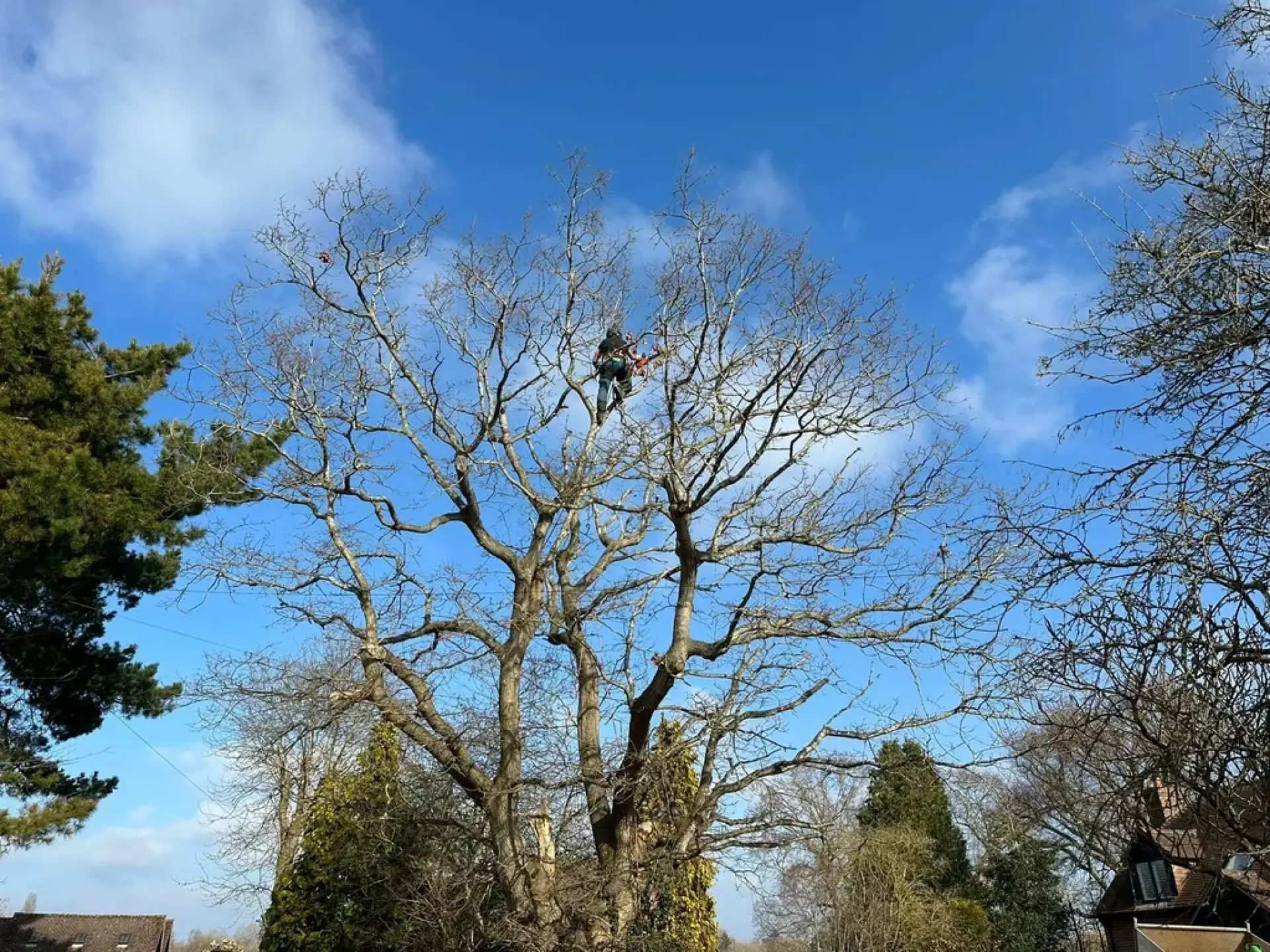
One of the main parts of tree care is pruning, which involves removing dead, weak, damaged, or crowded branches so that the tree can grow in a stronger and more balanced way. Tree care can also include crown thinning, crown lifting, and crown reduction services, too.
Crown thinning helps more light and air pass through the tree, crown lifting is done to lower the branches and improve the space beneath the tree, and a crown reduction reduces the size of the tree when it's become too big for its location.
A tree surgeon can also look for signs of disease, decay, cracks, fungal growth, leaning, or storm damage, since spotting these issues early on can help you prevent issues like falling branches. Tree care can also include removing unsafe trees, clearing fallen branches, managing trees near fences or roofs, and advising you on the best way to protect your tree's growth.
Keeping Trees Safe Around Your Home
When trees grow too close to a house, shed, fence, driveway, or path, they can cause problems. Overgrown branches can scrape across the roof tiles, block your gutters, damage your windows, or hang over areas where people walk and sit. Tree surgery can help by keeping your tree at a safe size and shape.
A tree surgeon can remove dead, weak, or damaged branches before they fall, and they can also cut back any growth that's too close to your home, reduce heavy crowns, and improve the overall balance of the tree. This can help lower the risk of storm damage and make your garden safer to use.
Reducing the Risk of Falling Branches
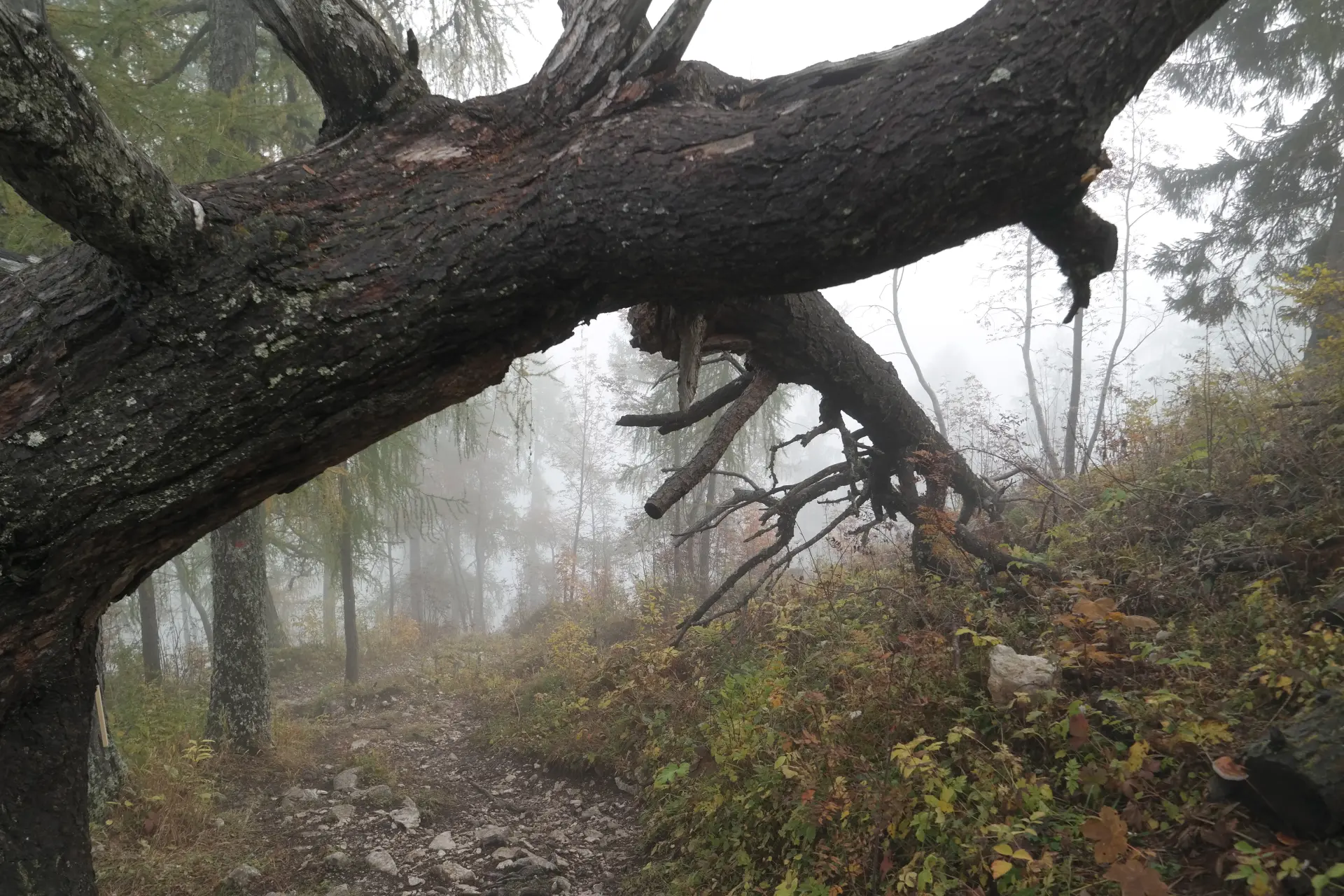
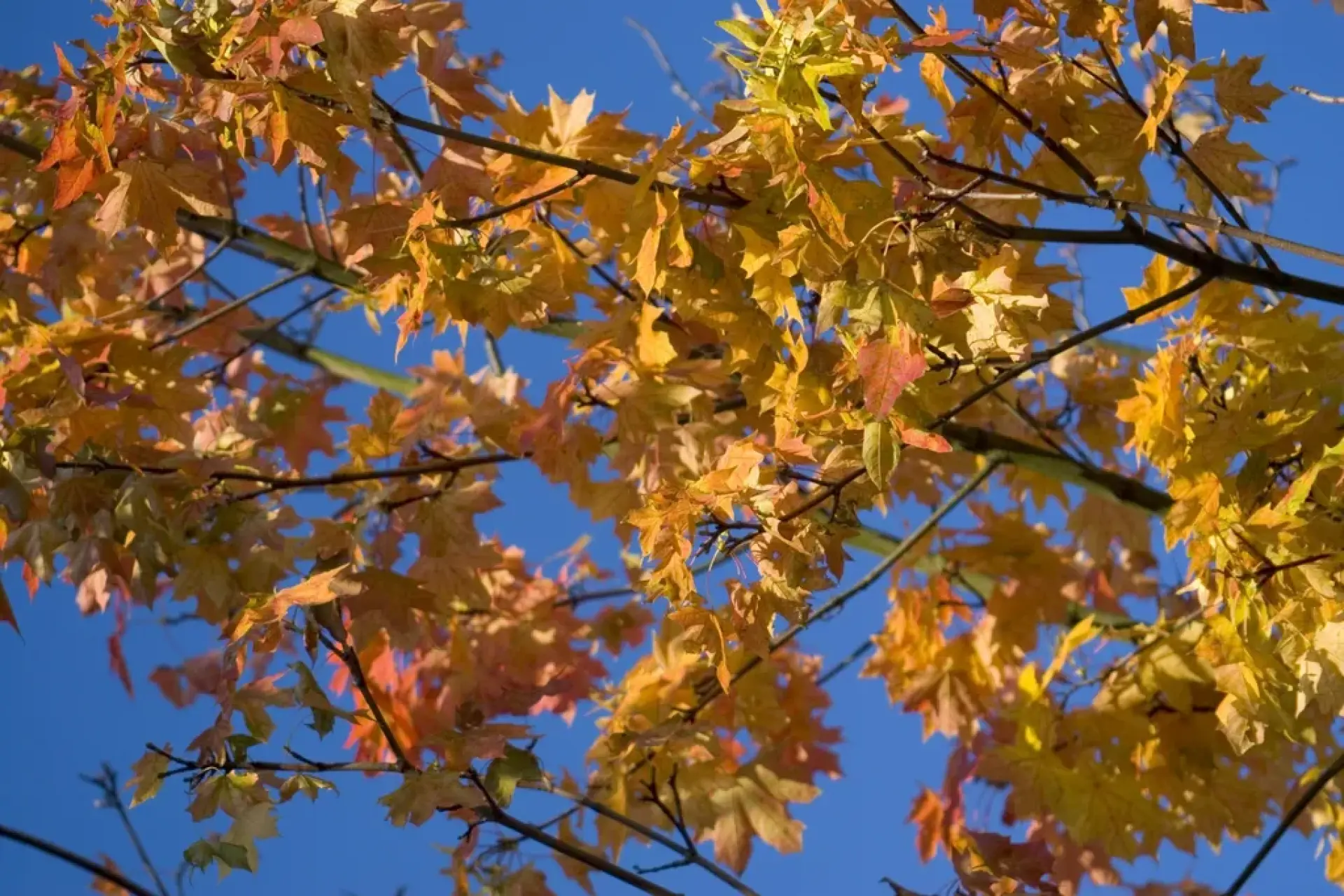
Branches can become weak due to age, disease, poor growth, strong winds, or hidden decay, and even if they look secure, damaged branches can break without warning - especially during wet or windy weather.
Falling branches can damage your roof tiles, gutters, windows, fences, sheds, cars, and garden furniture. They can also block your paths, driveways, and entrances, making it harder for you to move around your property safely. More importantly, they can also put your family members, visitors, pets, and neighbours at risk.
A tree surgeon can inspect the tree properly and make a note of any warning signs that might not be visible from the ground. They can also reduce any heavy growth, improve the balance of the tree, and make sure the branches aren't growing too close to the house.
Protecting Roofs, Fences, and Garden Buildings
When a tree's branches grow too close to a house, shed, garage, greenhouse, or fence, they can cause damage over time. They can scrape the roof tiles, block the gutters, rub against the windows, or put pressure on your fence panels during windy weather. Tree surgery helps reduce these risks through careful pruning, crown reduction, crown lifting, and branch removal services.
A tree surgeon can cut back any growth that's too close to your home while keeping the tree healthy and balanced. This can help stop the branches from breaking off and landing on your roof, shed, paths, or garden furniture. Strong winds and storms can also make overgrown or weak trees more dangerous since dead, cracked, or heavy branches are more likely to fall and cause damage.
Helping Trees Stay Healthy for Longer
Tree surgery can also improve the amount of light and air that passes through the crown, which can help the leaves, limbs, and nearby plants stay healthy. Tree surgery can also help the tree grow better, too, since a balanced tree is less likely to become too heavy on one side or suffer from broken branches during bad weather. This can reduce the amount of stress that's put on the trunk and roots, helping the tree remain stronger for longer.
Spotting Disease and Decay Early
A tree may look healthy from a distance, but warning signs like dead branches, cracks in the trunk, fungal growth, peeling bark, soft wood, or poor leaf growth show that something is wrong. If these warning signs are missed, the tree can become weaker and weaker over time.
When the disease is found early enough, a tree surgeon may be able to remove the affected branches, improve the tree's airflow, and stop the problem from spreading. This can give the tree a better chance of surviving and staying healthy for longer.
A tree with hidden rot or weak limbs can drop branches, split, lean, or become unstable during strong winds and heavy rain. By spotting the signs of disease and decay early on, you can avoid larger problems, expensive damage, and unsafe garden conditions.
Improving Light in Your Garden
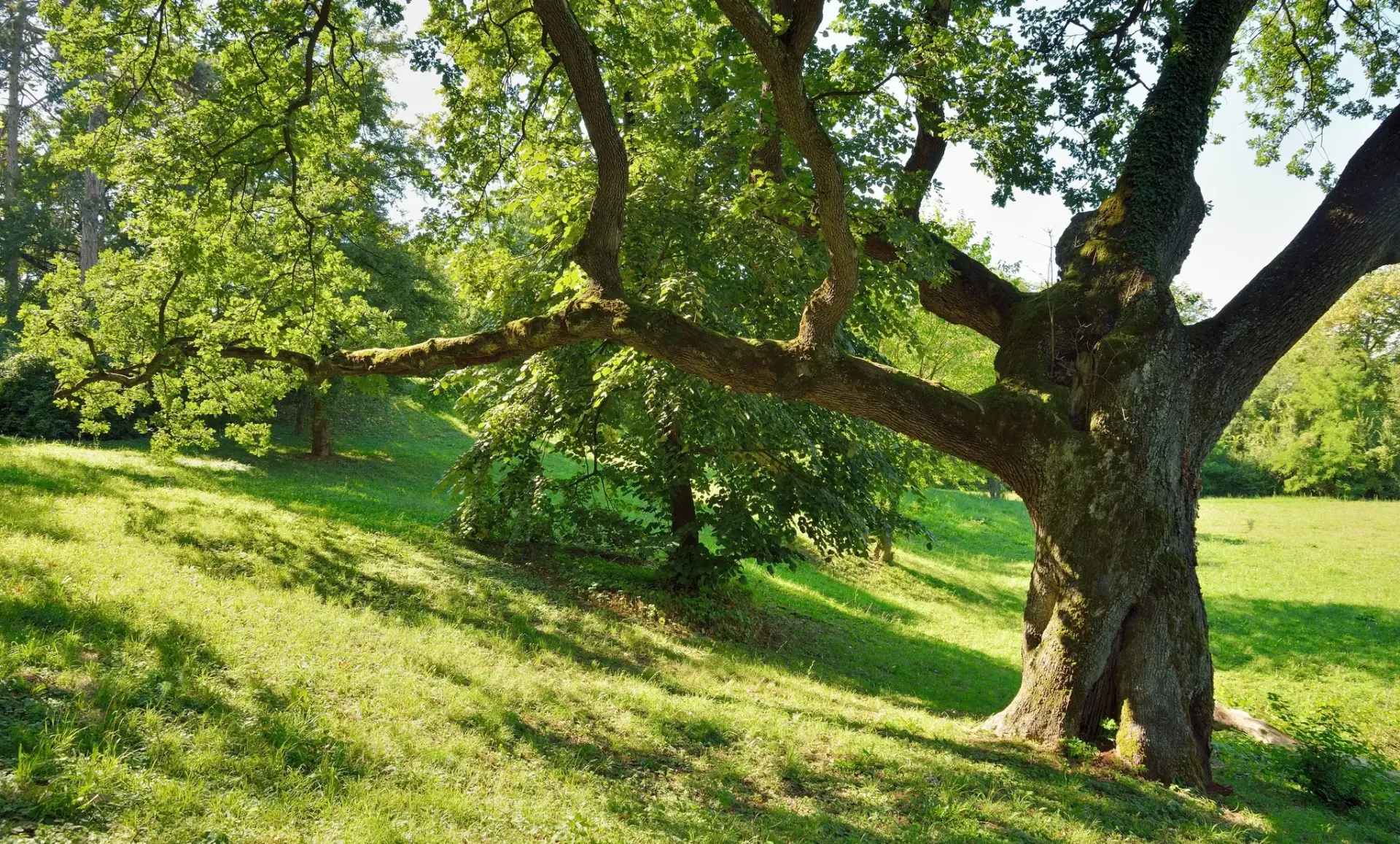
Tree surgery can help improve the amount of light in your garden by reducing heavy, dense, or overgrown branches. As trees grow, their crowns can become thick and block sunlight from reaching your lawn, flower beds, patios, windows, and seating areas, which can make your garden feel darker, colder, and less welcoming.
A tree surgeon can use careful pruning methods to let more light pass through the tree without harming its health. Crown thinning is often done to remove selected branches from within the canopy, so that sunlight and air can move through the tree easily. Crown lifting is also done to lower the branches and brighten up your paths, borders, and areas beneath the tree. Crown reduction can also help when a tree has become too large for the garden.
Supporting Healthy Growth
Without regular care, a tree's branches can often become crowded, heavy, or unbalanced, which can affect the tree’s long-term health. Pruning helps the tree focus its energy on stronger branches and fresh growth, and by removing dead or damaged wood, a tree surgeon can also reduce the risk of a disease spreading throughout the tree.
When the branches are too dense, crown thinning can be implemented to improve the tree's light and airflow, helping the leaves and limbs stay healthy. Tree surgery can also help shape your tree so that it grows in a safer and more balanced way. This can reduce the amount of strain that's placed on the trunk and roots, making the tree able to cope with wind, rain, and seasonal changes better.
Preventing Overgrown Trees from Causing Problems
Overgrown branches can spread across paths, patios, fences, sheds, roofs, windows, and neighbouring houses, and if this growth isn't managed properly, it can make your garden harder to use and increase the risk of damage occurring. Overgrown trees can block out natural light, leaving your lawns, plants, and seating areas in perpetual shade. This can make the garden feel darker, and it can encourage damp and moss to start growing.
Large branches can also rub against your house, block your gutter, or become heavy and unstable during strong winds. Tree surgery helps by reducing, shaping, and thinning your tree in a safe and controlled way. A tree surgeon can remove unsafe branches, lift low growth, reduce heavy crowns, and improve the tree’s balance. This helps the tree stay healthier while keeping it suitable for your garden.
Keeping Paths and Driveways Clear
Low branches can hang over your walkways, scrape your vehicles, block your entrances, or make it difficult for you to move your bins, bikes, prams, and tools around your property. When branches grow across paths or driveways, they can also reduce your visibility, which can make it harder for you to see steps, uneven paving, kerbs or other trip hazards.
Tree surgery helps by removing low, damaged, or badly placed branches in a safe and controlled way. Crown lifting can raise the lower branches, while pruning can cut back any growth that's blocking your access.
Protecting Nearby Plants and Lawns
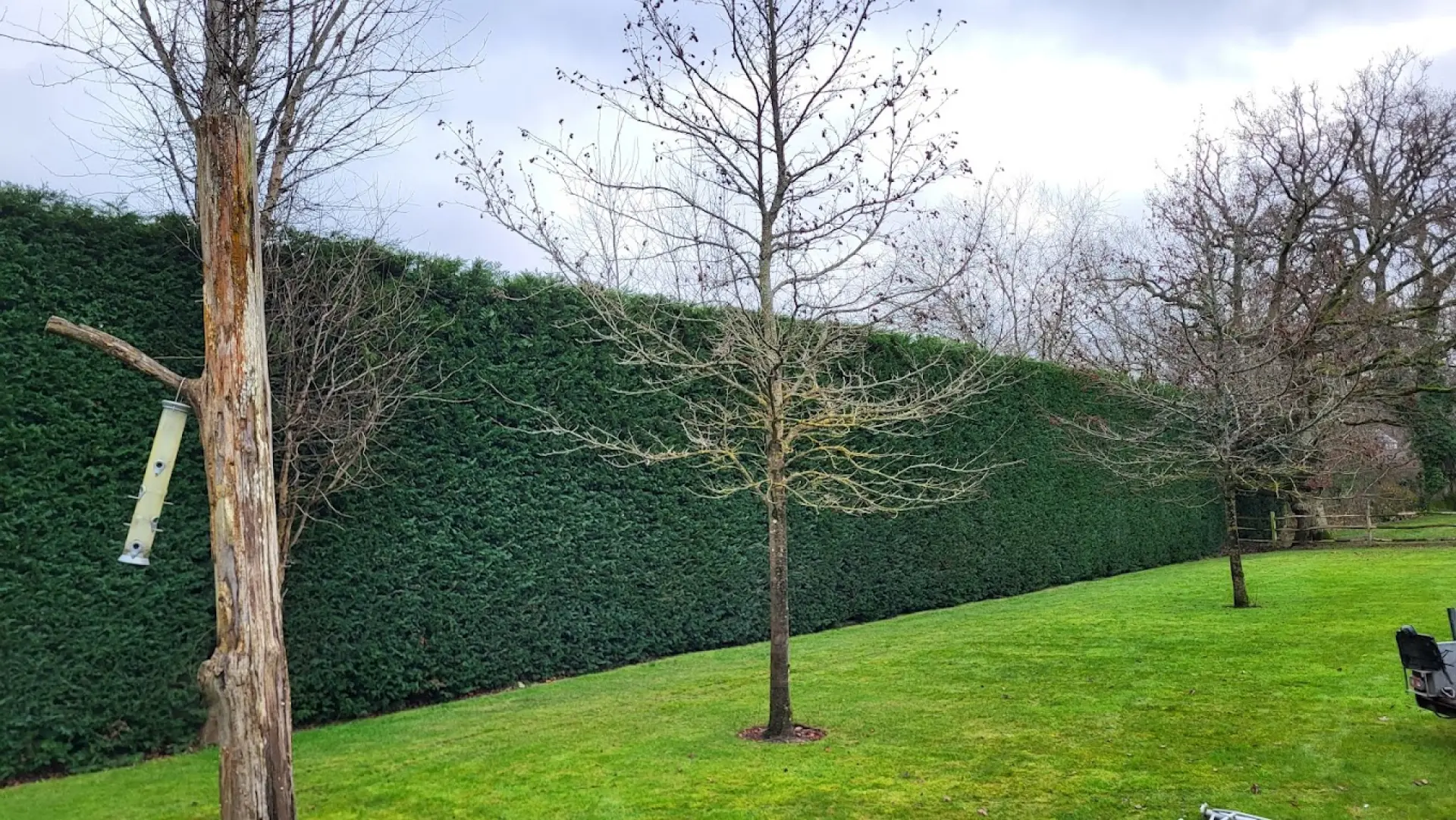
When trees become too big or dense, they can stop sunlight from reaching your grass, flower beds, shrubs, and smaller plants, which can leave your garden looking thin, patchy, or damp. A tree surgeon can help by thinning the crown, lifting any low branches, or reducing the size of the tree. Crown thinning allows more light and air to pass through the tree, which can help the plants underneath and around it grow.
Crown lifting involves removing low branches that may be crowding your borders, covering paths, or stopping grass from receiving enough light. Tree surgeons can also remove dead, diseased, or damaged branches before they fall onto your plants, which helps prevent your flower beds, garden features, and plants from becoming damaged. They can also spot signs of disease or decay that could affect the whole garden if it's left untreated.
Preparing Trees for Bad Weather
Heavy rain, strong winds, and sudden weather changes can put a lot of pressure on garden trees, especially if they have weak, dead, or overgrown branches, since they can break easily during poor weather. A tree surgeon can inspect the tree and remove any cracked, diseased, hanging, or badly attached branches. This helps reduce the risk of falling limbs during high winds.
They can also thin the crown, which allows wind to pass through the tree better, which in turn lowers the strain put on the tree's branches, trunk, and roots. Additionally, a tree that's too dense or has more weight on one side is more likely to split, lean, or become unstable during a storm. Careful pruning can help improve the tree’s shape and balance, which can help it stay stable during difficult weather.
Why DIY Tree Care Can Be Unsafe
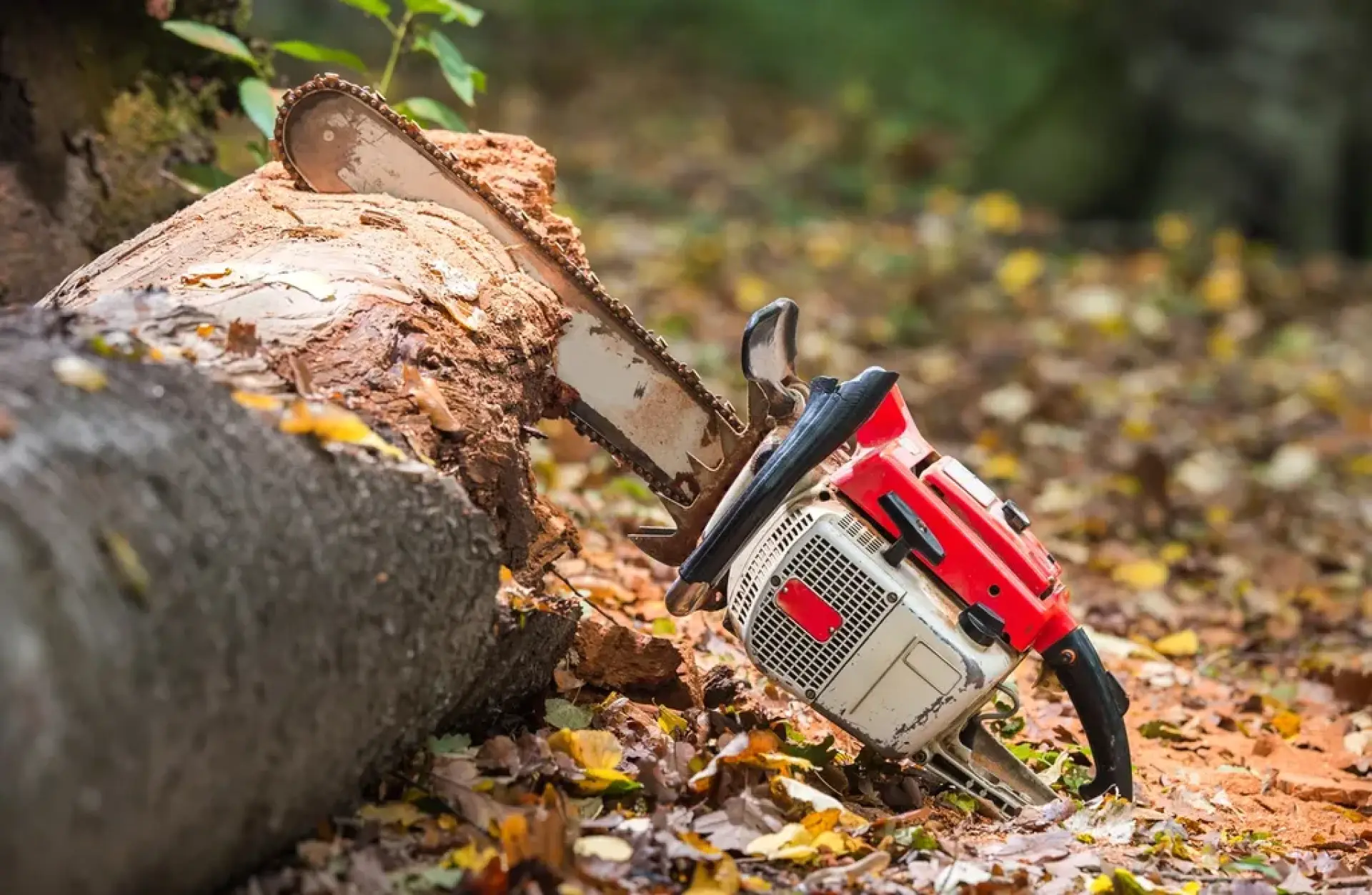
Cutting branches may seem easy enough, but branches can fall suddenly, swing in an unexpected direction, or be much heavier than you expected. This can lead to injuries, property damage, or blocked access around your garden. Using ladders, saws, or chainsaws without the right training can also be incredibly risky, since ladders can slip on uneven ground, branches can fall, or the tools themselves may be difficult to control.
DIY tree care can also harm the tree itself since poor cuts can weaken the branches, leave the tree open to disease, or cause uneven growth. Some trees may also have hidden decay, cracks, weak limbs or damaged branches; therefore, hiring a professional tree surgeon is usually the safer option.
When to Book Professional Tree Care
It's usually best to contact a tree surgeon if you notice dead branches, cracks in the trunk, fungal growth, leaning, hanging limbs, or branches growing too close to your home. Contacting a professional tree surgeon after a storm is also a good idea since bad weather can weaken branches, loosen roots, or leave behind hidden damage that might not be easy to spot from the ground.
You should also book a tree care service when your tree becomes too large, too dense, or too difficult to manage. Pruning, crown lifting, and crown reduction services can all help improve your tree's light, space, and safety. A tree surgeon can spot early warning signs, protect your tree's growth, and help keep your garden safer, tidier, and easier to enjoy.
At Redrock Tree Care, we help keep gardens across Basingstoke safe, tidy, and healthy through our expert services, including pruning, removal, reduction, and general tree care. With the right skills and equipment, we can manage unsafe branches, improve your light and space, and support the long-term health of your trees.